

In any laboratory, the purity of water can greatly influence experimental outcomes. Ultrapure water, with its resistivity exceeding 18.2 MΩ·cm, is crucial for minimizing contaminants that may compromise results. Understanding the sources of contamination and implementing best practices for obtaining and storing this water is essential. As you consider these factors, think about how they might impact your own work and the reliability of your findings. What’s at stake when you overlook these details?
The Definition and Characteristics of Ultrapure Water
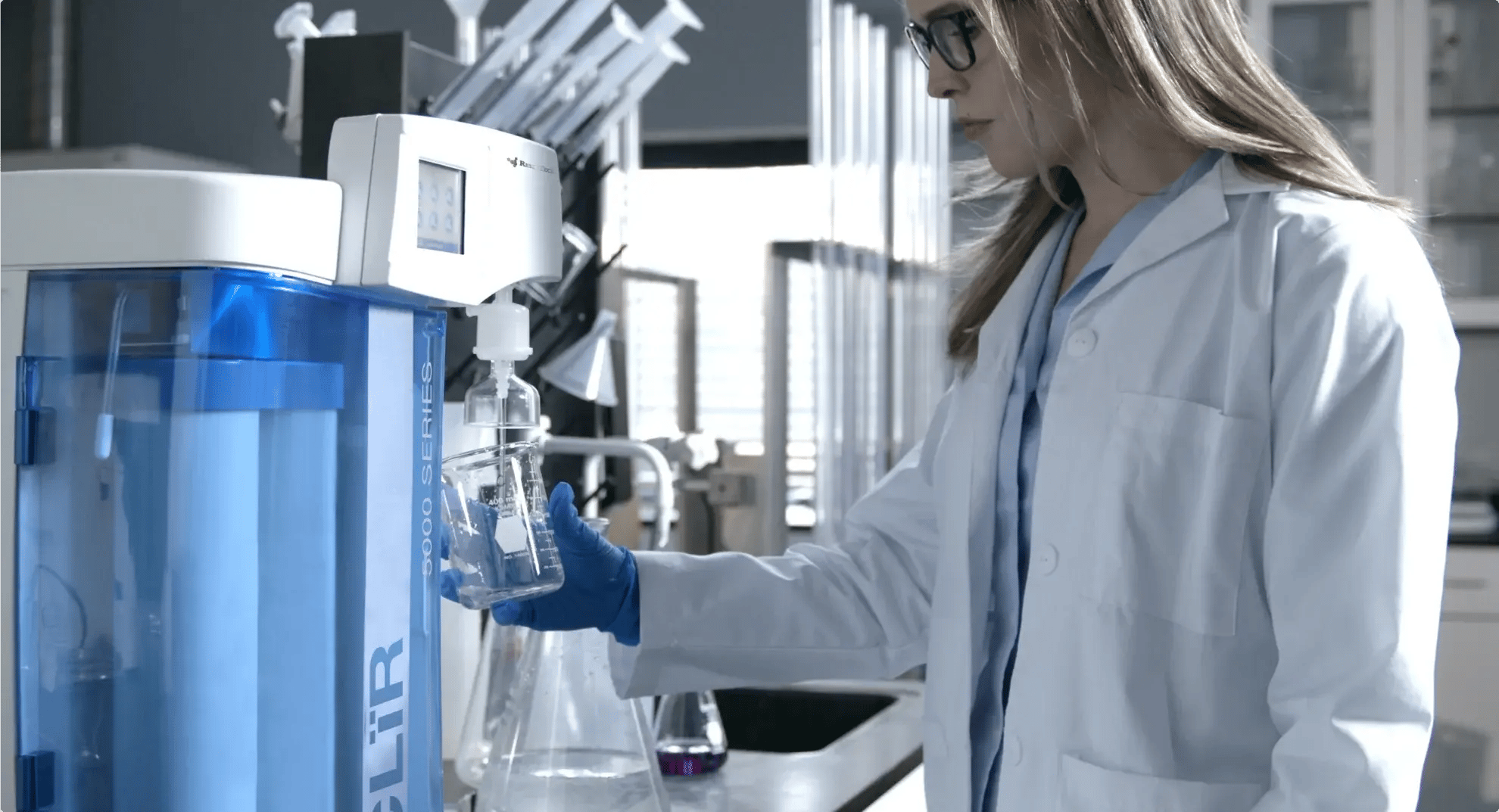
Ultrapure water is defined as water that has been purified to a level that eliminates nearly all contaminants, making it vital for high-precision laboratory applications Lab Alliance. You’ll find that ultrapure water meets stringent purity standards, often achieving resistivity greater than 18.2 MΩ·cm at 25°C. This high level of purity is essential for experiments requiring accurate results, as even trace impurities can greatly skew outcomes.
The process of water filtration for ultrapure water typically involves multiple stages, including reverse osmosis, deionization, and distillation. Each stage targets specific contaminants, ensuring that the final product is devoid of ions, organic compounds, and particulates.
Sources of Contamination in Laboratory Settings
While working in a laboratory, various sources of contamination can compromise the integrity of your results. Cross contamination sources, such as shared equipment, improperly cleaned glassware, and aerosols, can introduce unwanted variables into your experiments.
Even minor residues can skew data, leading to inaccurate conclusions. Environmental factors also play an essential role in contamination. Airborne particulates, humidity, and temperature fluctuations can affect both sample integrity and the efficacy of your reagents.
Additionally, personnel handling samples without proper hygiene protocols can inadvertently transfer contaminants. To mitigate these risks, it’s important to establish strict protocols for equipment usage and maintain a controlled environment.
Regular monitoring of air quality and maintaining clean workspaces can minimize exposure to these contamination sources. Ultimately, understanding and addressing these factors is critical for ensuring the reliability of your laboratory results.
The Impact of Ultrapure Water on Experimental Results
When you utilize ultrapure water in your experiments, you greatly enhance the accuracy and reliability of your results. The quality of water directly influences experimental precision; even trace contaminants can skew your findings.
Ultrapure water, with its low ion concentration and minimal organic impurities, guarantees that your reagents and samples remain uncontaminated, yielding data that reflects true chemical behaviors.
Using ultrapure water minimizes variability, allowing you to draw valid conclusions from your experiments. In sensitive applications, such as chromatography or spectrophotometry, the difference in water quality can be the deciding factor between a successful analysis and one that fails to meet standards.
Best Practices for Obtaining and Storing Ultrapure Water
Obtaining and storing ultrapure water requires attention to detail to maintain its integrity. Start with a reliable water purification system that employs multiple filtration methods, including reverse osmosis, deionization, and UV treatment.
Guarantee the system is regularly maintained to prevent contaminants from affecting the purity of the water.
Once purified, select appropriate storage solutions. Use high-quality, non-reactive containers, such as glass or specific polymers, that prevent leaching of impurities.
Keep the storage environment free from light and temperature fluctuations to minimize microbial growth and chemical reactions.
Label all containers clearly and practice first-in, first-out (FIFO) usage to guarantee older water is used first.
Regularly monitor the water quality with appropriate testing methods to verify that it meets ultrapure standards before use in sensitive experiments.

Case Studies: Ultrapure Water in Action in Scientific Research
As researchers increasingly rely on ultrapure water for precision and accuracy, several case studies illustrate its critical role in advancing scientific knowledge.
In one prominent case study example, a pharmaceutical laboratory utilized ultrapure water to guarantee the integrity of their drug formulations, leading to successful FDA approvals. Here, even trace contaminants could have skewed results, underscoring ultrapure water’s necessity in research applications.
Another case study involved environmental scientists analyzing water samples for pollutants. Using ultrapure water, they minimized background interference, greatly improving detection limits. This clarity allowed for more accurate assessments of ecological health.
In both examples, the strategic use of ultrapure water not only enhanced data reliability but also accelerated research timelines.
These cases highlight how ultrapure water isn’t just a lab requirement; it’s a foundational element in achieving groundbreaking scientific results. As you consider your own work, think critically about how ultrapure water can elevate your research outcomes.
Conclusion
In conclusion, using ultrapure water is essential for achieving laboratory accuracy. Its high resistivity guarantees that contaminants are minimized, safeguarding your experimental integrity across sensitive applications. By understanding sources of contamination and implementing best practices for acquisition and storage, you can greatly enhance the reliability of your results. Ultimately, prioritizing ultrapure water in your research not only strengthens your data but also bolsters the validity of your scientific conclusions, driving progress in your field.